
- PEO1: Provide socially responsible, environment friendly solutions to Electrical engineering related broad-based problems adapting professional ethics.
- PEO2: Adapt state-of-the-art Electrical engineering broad-based technologies to work in multidisciplinary work environments.
- PEO3: Solve broad-based problems individually and as a team member
Home » Electrical Engineering
The Electrical Department established in 2010. Electrical Engineering is one of the fastest growing fields that involves study and application of electricity and electronics. It is the most interesting branch of engineering because it involves study of computer, electrical and electronics and communication. Electrical engineering deals with generation, transmission and distribution of electricity.
Department regularly monitor the performance and consistency of the students and also arrange additional lecture for slow learners. The department focuses to develop efficient, energy cautious, industry ready Electrical Engineers to serve the needs of industry and society.
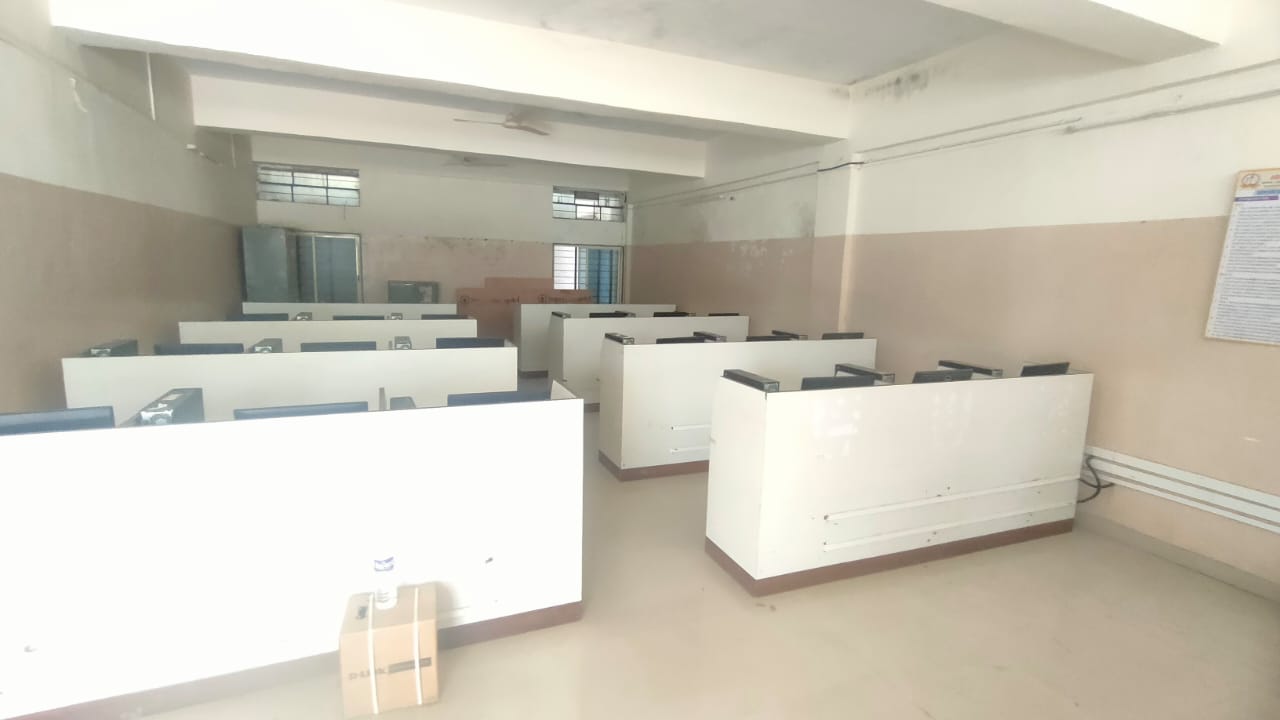
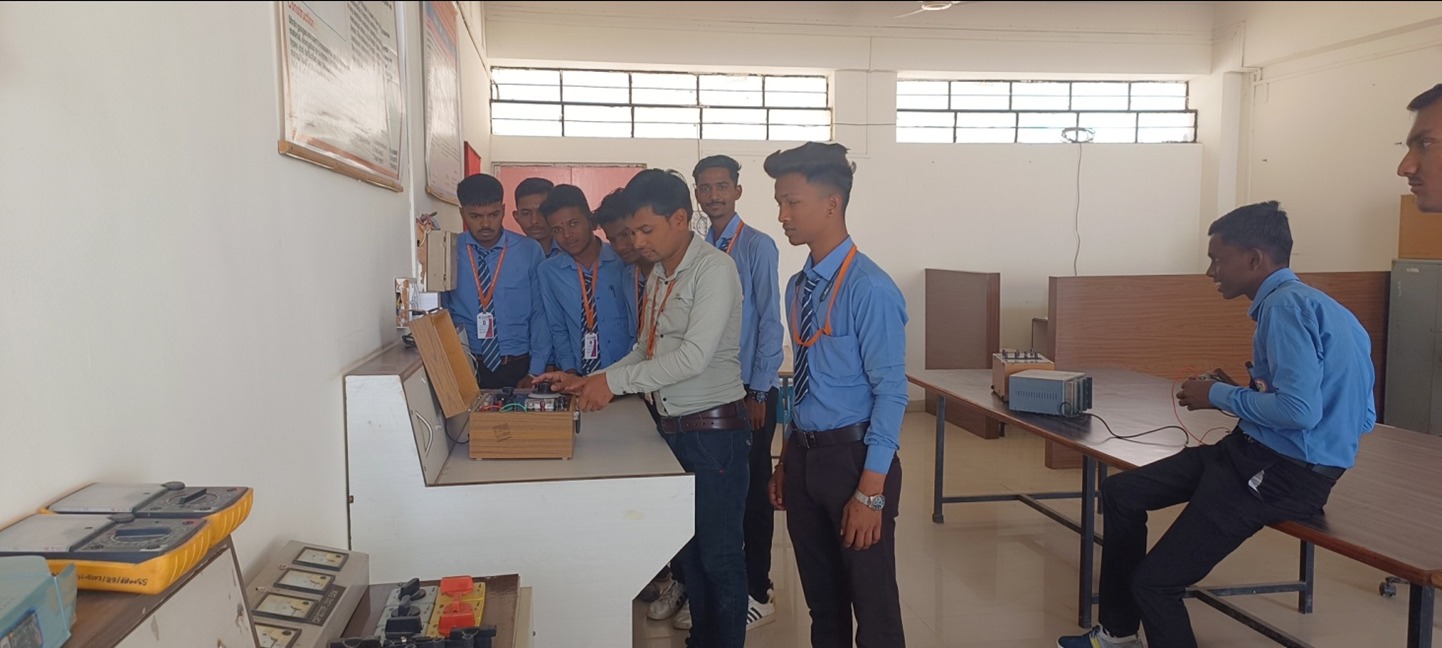
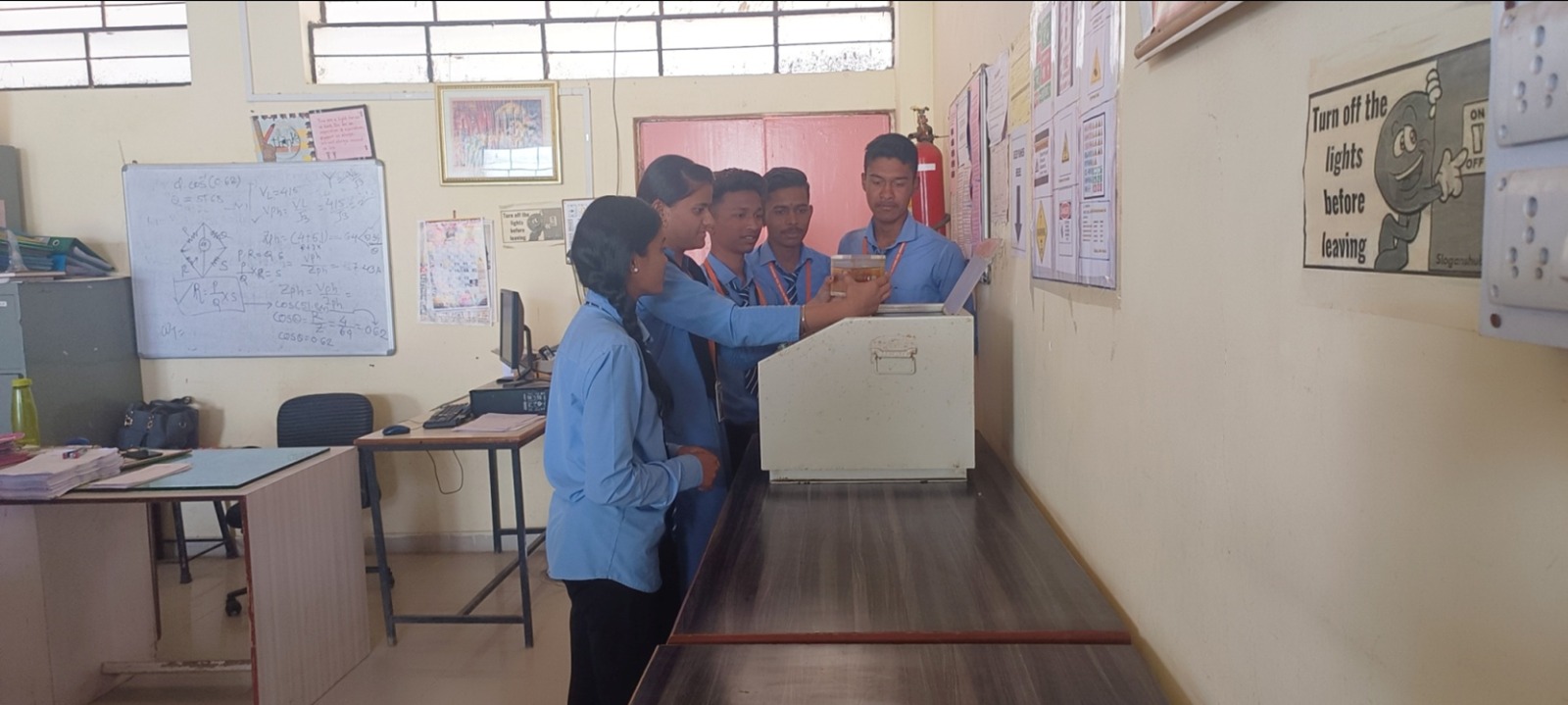
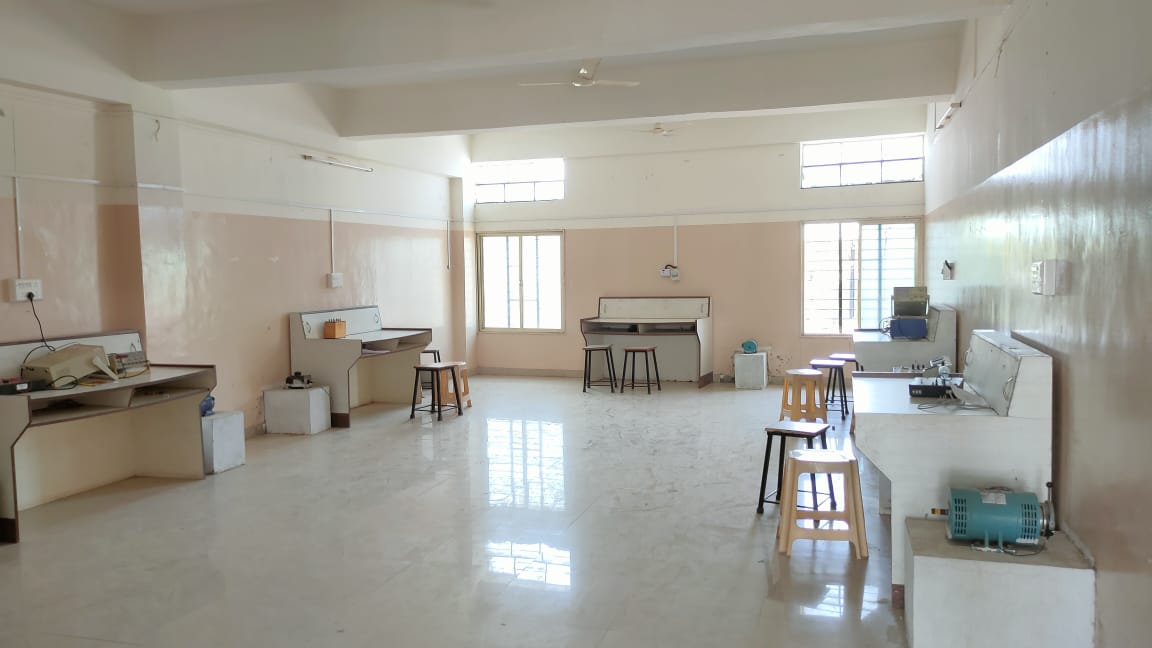
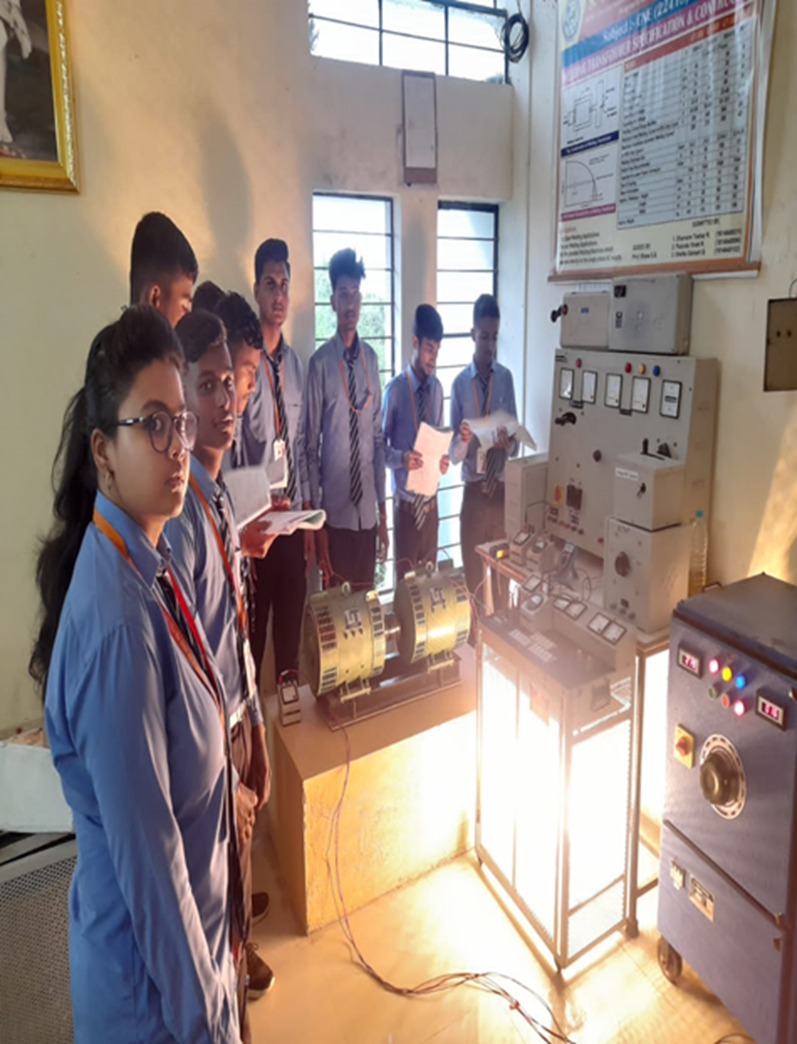
Department calls experts from various colleges and industries to deliver expert talk on latest technology to aware and motivate the students for the same. Department has well equipped laboratories. Department has many educational software, and conducting many online tests. Department arrange the competitive technical events to find and encourage the technical skills and latent abilities of the students.
Electrical Engineers are much in demand in India. In the recent years, from house to company everywhere the electrical engineers play responsible role. There is a necessity of electricity to function, offering numerous opportunities to electrical engineers.
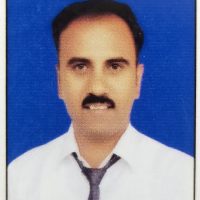
Prof. Pawale S. S.
Head of Department
Department of Electrical Engineering
M.E. (Electrical Engineering)
Welcome to the Department of Electrical Engineering, SSMAP. It gives me an immense pleasure to express my views towards the development of Electrical Engineering Department. The department focuses to develop efficient, energy cautious, industry ready Electrical Engineers to serve the needs of industry and society.
The department`s rules and regulations are fully aligned with the Principle Sir`s guidelines totally. There is strictly no excuse for attending the lectures and in sincerity. Students` sincerity starts from completing homework daily to switching off the lights and fans when not in use.
The department truly believes that every student has individual talent and skills to become efficient Engineer. And considering the same concern the department ensures students` participation in all the competitions organized by SSMAP Institute and other developed Institutes of the State like the event DIPEX.
The excellent infrastructure, teaching faculty of the best kind of the Department ensuring quality education such as interaction among students, parents and staff, along with a Training and Placement Cell ensures a bright future to its students. Lastly I congratulate the department continuous success on Today and tomorrow.
OUR VISION
To be a pioneer department in Electrical Engineering to serve the needs of industry and society.
OUR MISSION
M1: To provide state-of -the-art facilities for quality education.
M2: To make students technically sound and thorough professionals by conducting various value-added and add-on courses.
M3: To enhance industry interaction to develop competent entrepreneurs and employable professionals.
M4: To inculcate high moral and ethical values amongst students.
Program Educational Outcomes (PEOs)
Program Outcome(POs)
- PO1. Basic and Discipline specific knowledge: Apply knowledge of basic mathematics, science and engineering fundamentals and engineering specialization to solve the engineering problems.
- PO2. Problem analysis: Identify and analyse well-defined engineering problems using codified standard methods.
- PO3. Design/ development of solutions: Design solutions for well-defined technical problems and assist with the design of systems components or processes to meet specified needs.
- PO4. Engineering Tools, Experimentation and Testing: Apply modern engineering tools and appropriate technique to conduct standard tests and measurements.
- PO5. Engineering practices for society, sustainability and environment: Apply appropriate technology in context of society, sustainability, environment and ethical practices.
- PO6. Project Management: Use engineering management principles individually, as a team member or a leader to manage projects and effectively communicate about well-defined engineering activities.
- PO7. Life-long learning: Ability to analyse individual needs and engage in updating in the context of technological changes.
Program Outcome(PSOs)
- PSO1: Electrical equipment: Maintain Various types of rotating and static electrical equipment.
- PSO2: Electrical Power System: Maintain different types of electrical power system.
| S.N. | Name | Designation | Qualification | Exp. in Yrs | Email Address | Area of Interest | Research & Publication |
|---|---|---|---|---|---|---|---|
| 1 | Mr. S. S. Pawale | HOD | B.E. (Electrical), M.E. (Appear) | 12 | pawales148@gmail.com | Power System Operation, Power System Protection | — |
| 2 | Mr. Giri D. Y. | Lecturer | B.E. (E&TC), M.E. (Appear) | 11 | datta.giri1@gmail.com | Automation, Material Science, Analog & Digital Electronics, Microprocessor, Microcontroller | — |
| 3 | Ms. Deshmukh M. J. | Lecturer | B.E. (Electrical) | 3 | monideshmukh77@gmail.com | Basic Electrical Engineering, DC Machines & Transformers, Switchgear & Protection | — |
| 4 | Ms. P. B. Bhutkar | Lecturer | M.E. (Appear – EPS) | 2 | pritibhutkar@gmail.com | Electrical Measurements, Electrical Machines, Maintenance | — |
| 5 | Mr. Nagude K. R. | Lecturer | B.E. (Electrical), MBA | 2 | kishornagude103@gmail.com | Power System Operation, Power System Protection | — |
| 6 | Ms. D. A. Raut | Lecturer | M.E. (Appear – EPS) | 4 | danshreeraut@gmail.com | Electric Circuits, Electrical Power Generation & Distribution | — |
| 7 | Mr. P. C. Bhagat | Lecturer | M.E. (Power System) | 3 | prabhanjanbhagat123@gmail.com | Electrical Power Generation & Distribution | — |