
Home » E&TC Engineering
A warm welcome to Department of Electronics & Telecommunication Engineering. Electronics Technology has entered in all the walks of life. This technology finds its applications in Consumer, Industrial, Civil, Military and Medical and in many more fields. Today, in many fields, we can’t imagine Automation without the use of Electronics.
Electronics aims at making the human life comfortable. Communication connects people and brings them close. The World Wide Web has led to an ever increasing demand of electronic systems to carry various kinds of information modern sophisticated communication systems like analogue multiplexer, optical fiber links, digital routers, image processing and large user application software tools.
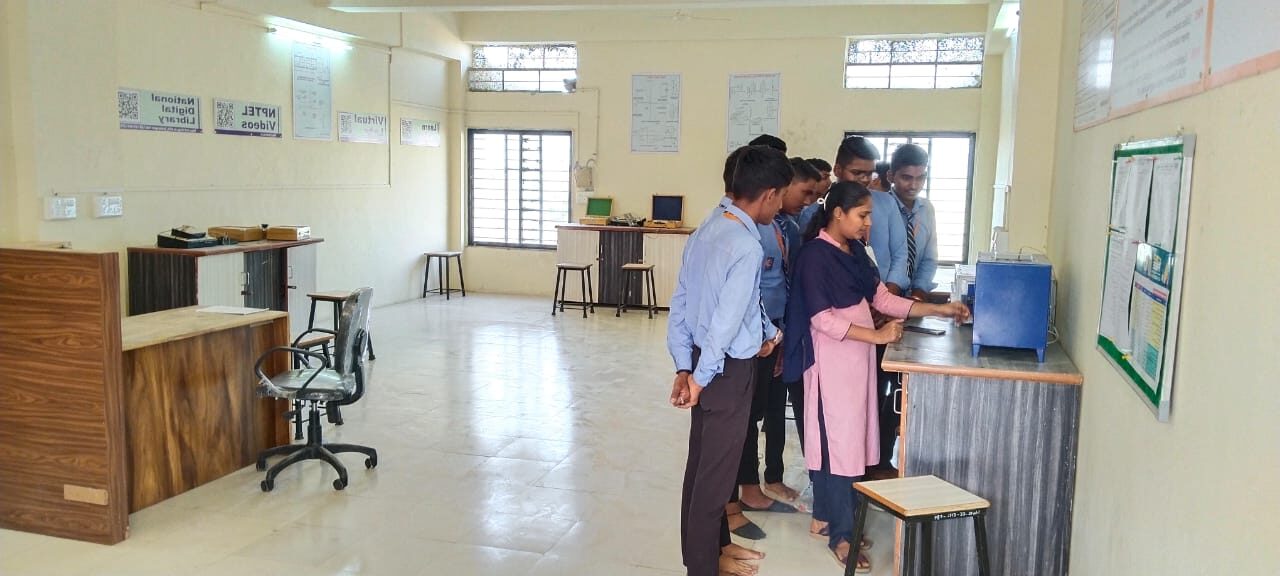
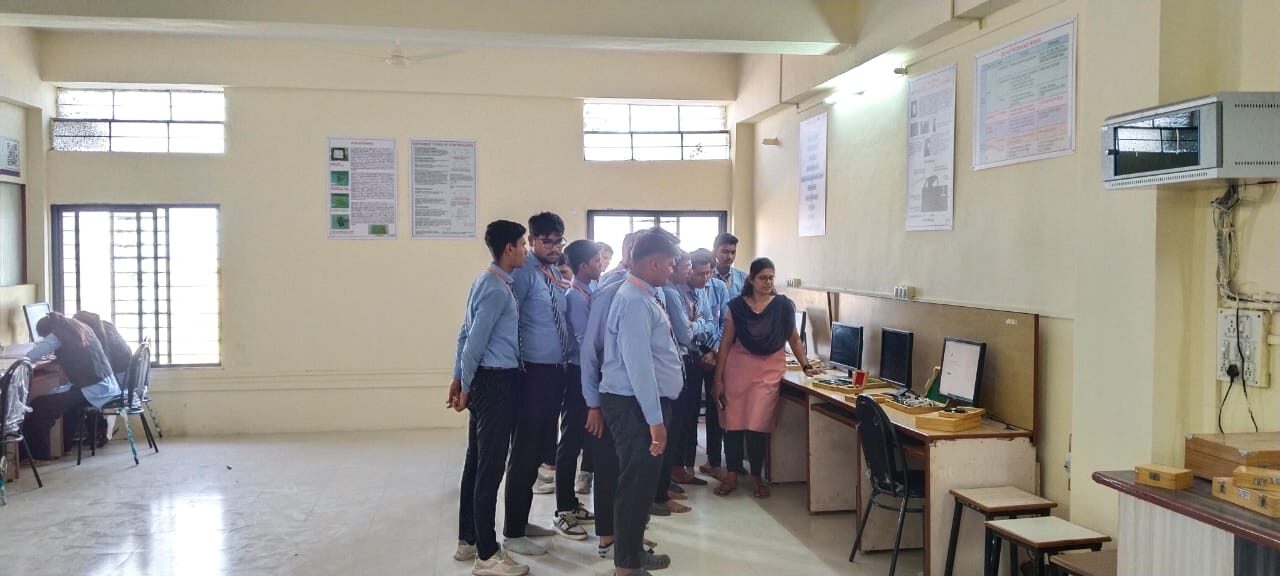
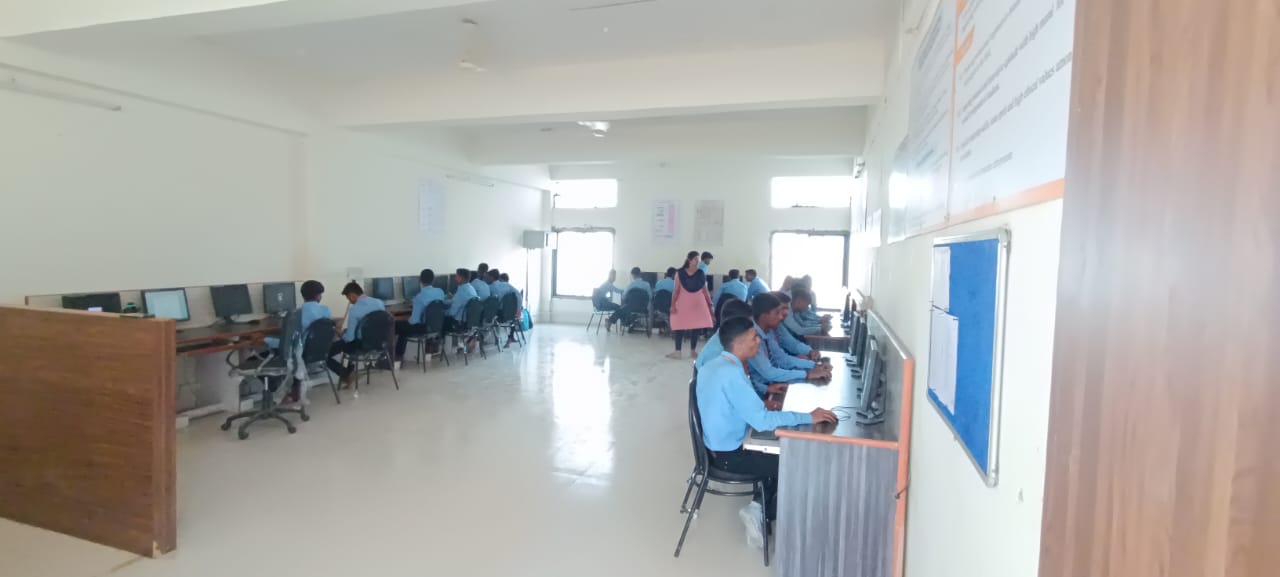
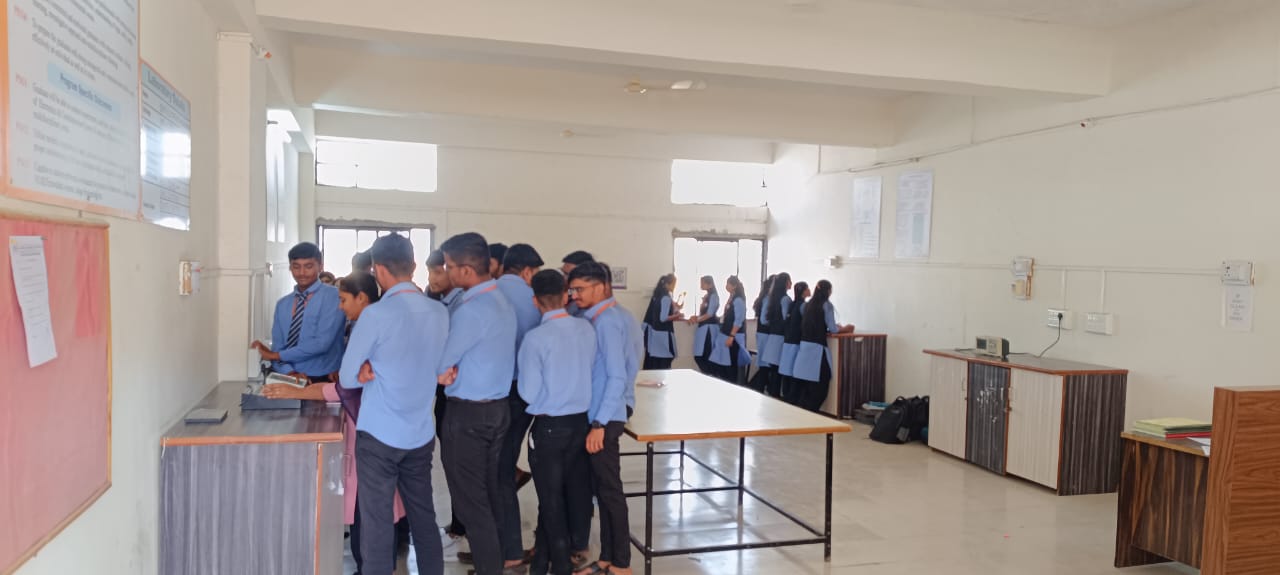
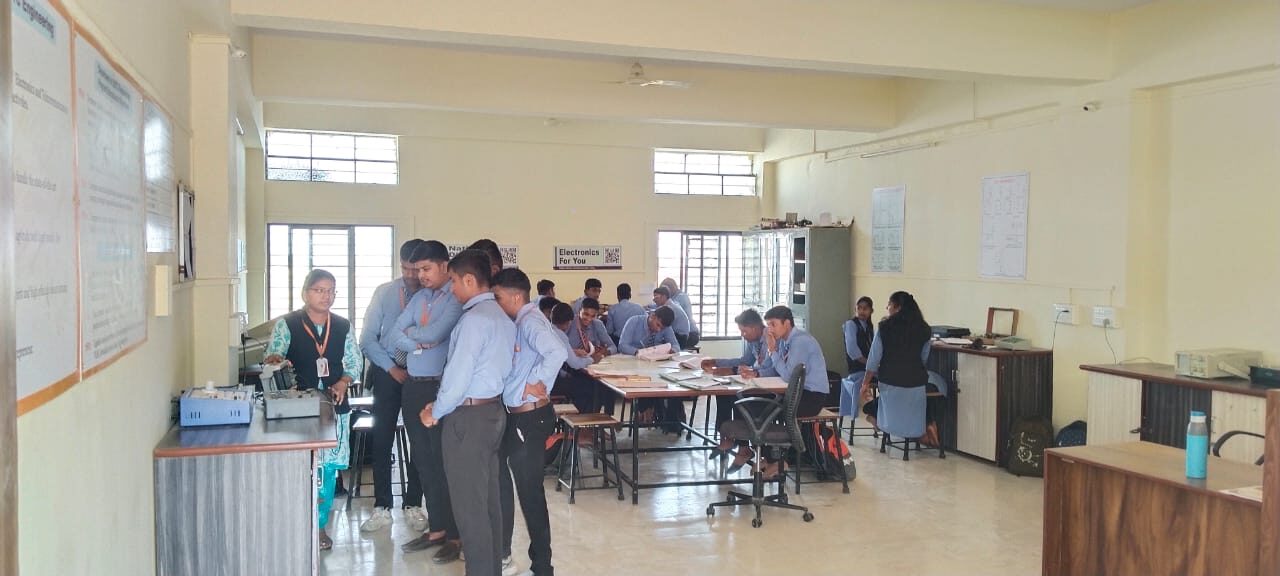
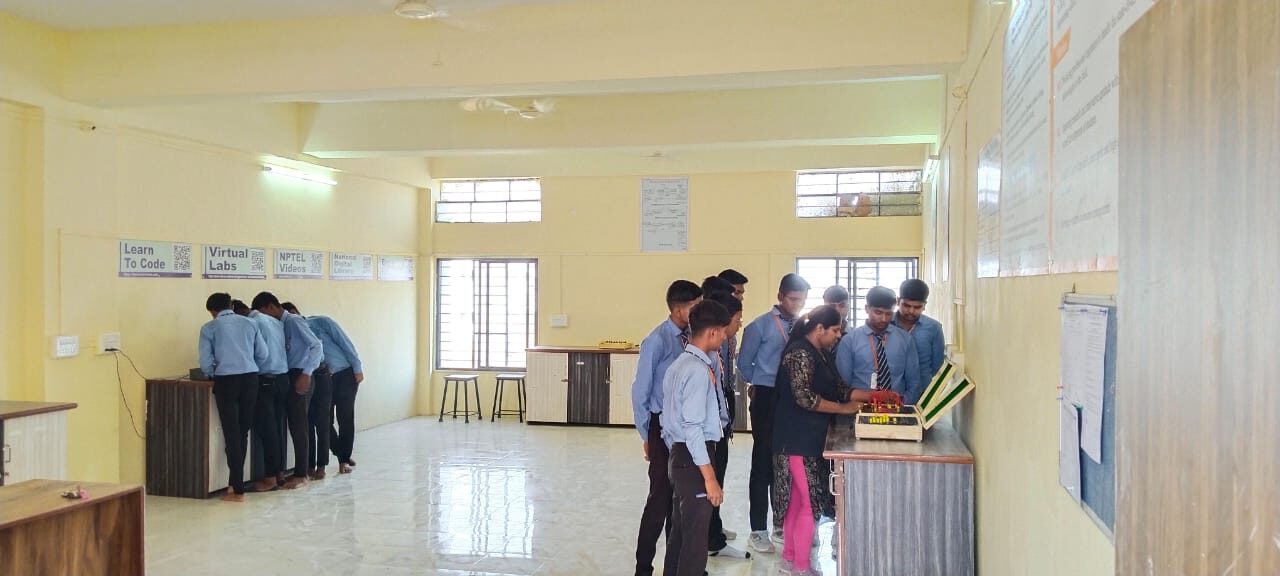
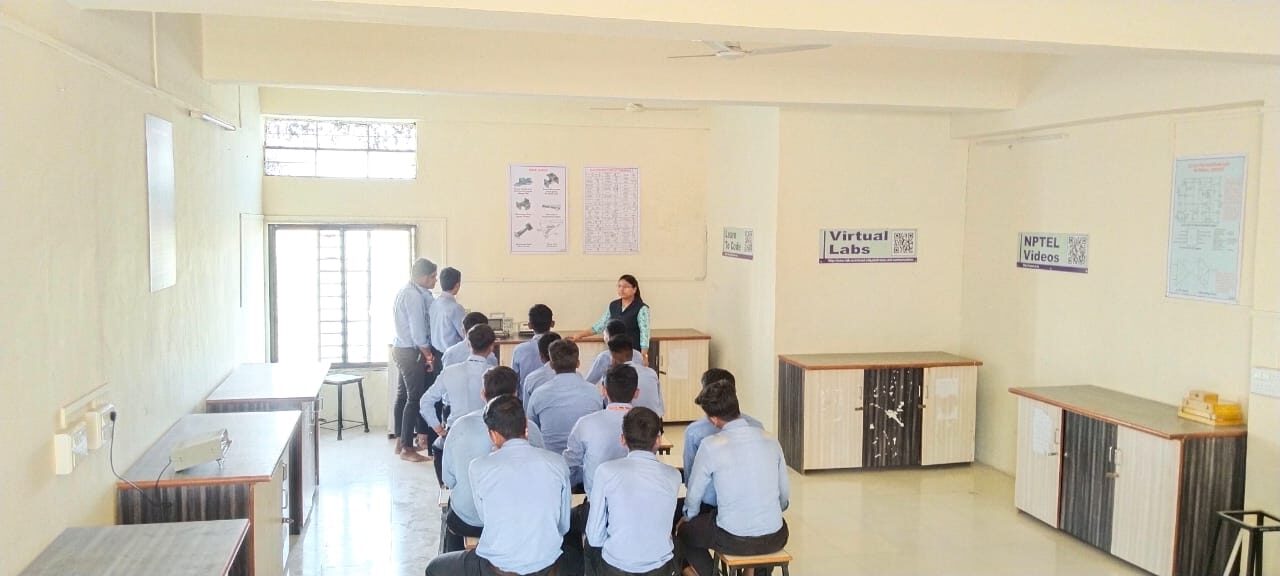
Keeping in line with fast changing technology and developments, department’s teaching areas include network, microprocessor, communications, VLSI, wireless communications. The department has well equipped laboratories with modern equipment’s like spectrum analyzer, logic analyzer, Digital storage oscilloscope, advanced software like MATLAB, Proteus, Multisim, SCILAB etc. The department is having highly qualified, devoted and dedicated staff. The department aims at in delivering quality education to bring engineering with a solid foundation in basic engineering principals and concepts. We strive hard to prepare our students to Electronics aims at making the human life comfortable. Communication connects people and brings them close.
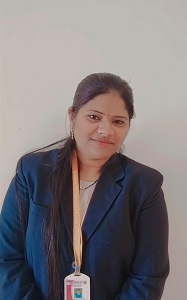
Prof. Palande S.C.
Head of Department
M.E. (Electronics & Telecommunication Engineering.)
M.Tech. (Digital System)
Prof. Palande Sonali Chhabu has completed her M.E. (Electronics & Telecommunication Engineering.) and M.Tech. (Digital System) from Sanjivni Rural Education Society College of Engineering, Kopargaon. Her areas of interest are Digital Electronics, Communication Engineering. She has 2 years of teaching experience. She has published papers in International Journal’s & Conferences. She has attended several Workshops, Seminars and FDP.
Electronics and Telecommunications Engineering is the largest and also the fastest growing field of engineering. E&TC department strives hard to enhance the technical competence of our students by providing excellent infrastructure, abundant resources, innovative teaching-learning processes and highly qualified and experienced faculty.
OUR VISION
To be a premier department in the field of Electronics and Telecommunication engineering with emphasis on hands-on activities
OUR MISSION
M1: Producing professional engineers to handle the state-of-the-art technologies in the field.
M2: Imparting research and innovative aptitude with high moral for overall development of students.
M3: Establish leadership skills, team spirit and high ethical values among the students.
M4: Encourage students to become entrepreneur.
Program Educational Outcomes (PEOs)
PEO1: Provide socially responsible, environment friendly solutions to Electronics and
Telecommunication engineering related broad-based problems adapting professional ethics
PEO2: Adapt state-of-the-art Electronics and Telecommunication engineering broad-based technologies to work in multi-disciplinary work environments
PEO3: Solve broad-based problems individually and as a team member communicating effectively
Program Specific Outcomes(PSO’s)
PSO 1: Electronics & Telecommunication system: Maintain various types of Electronics and Telecommunication systems.
PSO 2: EDA Tools Usage: Use EDA tools to develop simple electronics and telecommunication engineering related circuits.
Program Outcome(POs)
PO1. Basic and Discipline specific knowledge: Apply knowledge of basic mathematics, science and engineering fundamentals and engineering specialization to solve the engineering problems.
PO2. Problem analysis: Identify and analyze well-defined engineering problems using codified standard methods.
PO3. Design/ development of solutions: Design solutions for well-defined technical problems and assist with the design of systems components or processes to meet specified needs.
PO4. Engineering Tools, Experimentation and Testing: Apply modern engineering tools and appropriate technique to conduct standard tests and measurements.
PO5. Engineering practices for society, sustainability and environment: Apply appropriate technology in context of society, sustainability, environment and ethical practices
PO6. Project Management: Use engineering management principles individually, as a team member or a leader to manage projects and effectively communicate about well-defined engineering activities.
PO7. Life-long learning: Ability to analyze individual needs and engage in updating in the context of technological changes.
| S.N. | Name | Designation | Qualification | Exp. in Yrs | Email Address | Area of Interest | Research & Publication |
|---|---|---|---|---|---|---|---|
| 1 | Palande Sonali Chhabu | HOD | M.Tech (Digital System) | 3 | sonalipalande111@gmail.com | Digital Electronics | Food safety in refrigerator |
| 2 | Darandale Jayashree Pandurang | Assistant Professor | M.Sc., B.Ed. (Electronics Science & Chemistry) | 11 | khushi.darandale1@gmail.com | Digital Tech, Embedded Systems, MWC | — |
| 3 | Ms. Aher Shilpa Kisan | Lecturer | B.E. (E&TC) | 1 | shilpaaher3747@gmail.com | Digital Electronics | — |
| 4 | Ms. Palve Dipali Suryakant | Lecturer | B.E. (Electronics & Telecommunication) | 3.5 | palvedip@gmail.com | Control & Automation | A review towards power theft detection |
| 5 | Ms. Priyanka Narayan Dhirde | Lecturer | M.E. (VLSI & Embedded System) | 6 | priyankadhirde11@gmail.com | Embedded System | — |
| 6 | Ms. Lokhande Gauri Digambar | Lecturer | B.E. (Electronics & Telecommunication) | 3 | gaulokhande18@gmail.com | Embedded System | — |
| 7 | Amruta Markas Patole | Lecturer | B.E. | 1 | amy.tech59@gmail.com | Embedded System | Data Acquisition using Modbus Protocol |
| 8 | Pooja Omkar Koke | Lecturer | Msc BEd Mathematics | 2 | Kokepooja@gmail.com | - |